

The New Talent Development Reality:
Less Stability, More Humanity, Stronger Capabilities
By Ivett Casanova and Iñigo Sánchez-Cabezudo
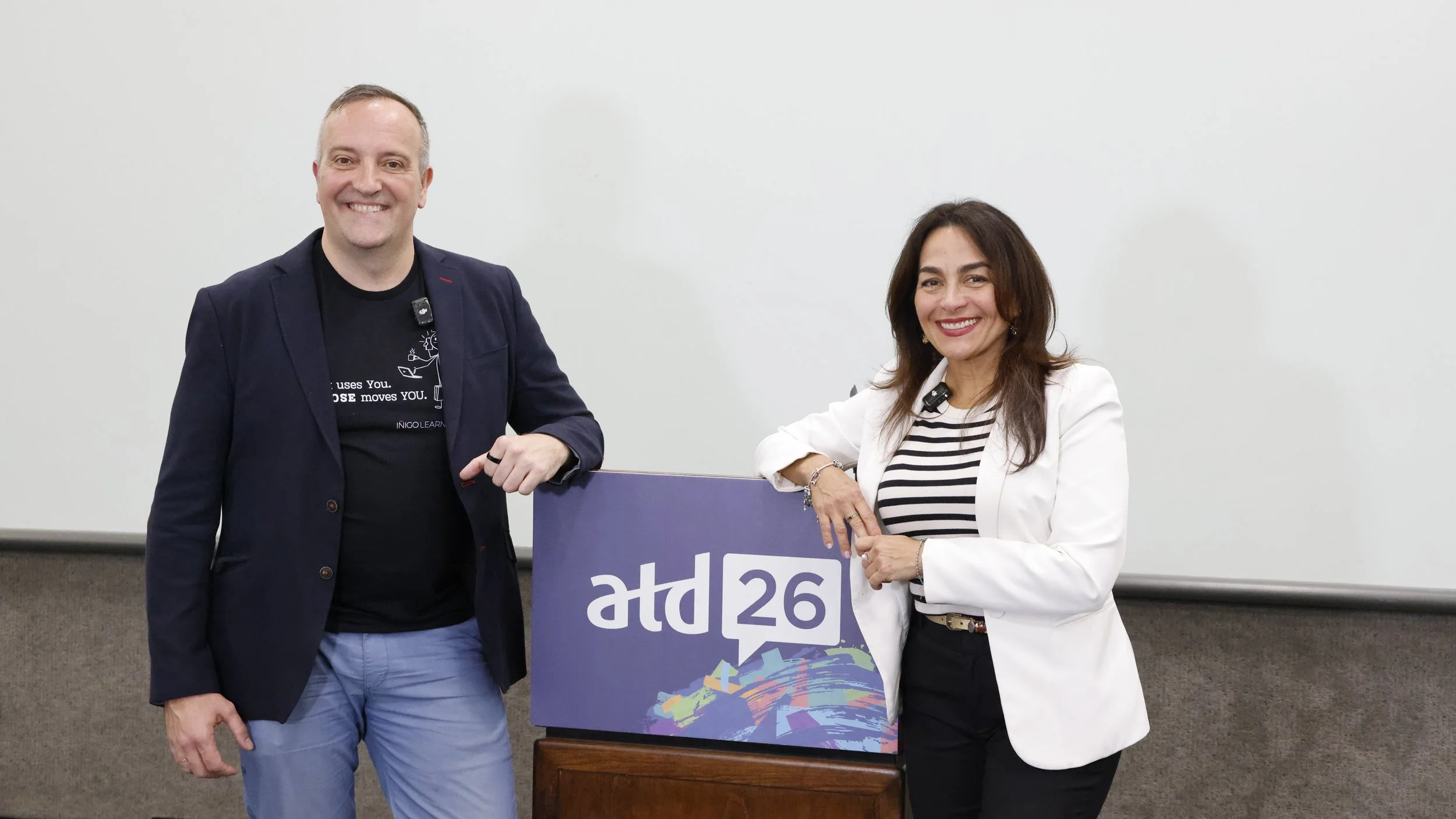
ATD26 Community Conversations: The TD Team Paradox
From our experience facilitating the Community Conversation at ATD26, the world's largest talent development conference, we confirmed the paradox: the same people responsible for developing everyone else in the organization are also trying to keep their own teams engaged, relevant, and whole.
Does that sound familiar?
As we prepared for the session, we invited participants to complete a short survey. We wanted to hear, firsthand, what talent development leaders and teams were experiencing right now, which became the heart of our conversation:
• Who are we really attracting into Talent Development (TD) now?
• How do we keep people engaged?
• And what capabilities do we need to develop?
What TD Teams Are Carrying Right Now
The data provides helpful context, but the room offered something just as important: lived experience.
TD leaders are navigating a function in motion. Entry-level roles are changing or even disappearing. AI is reshaping content creation, instructional design, data analysis, and delivery. Budgets are tighter, expectations from the business are higher, and the traditional career path inside TD is becoming less predictable.
Meanwhile, the people responsible for building capability across the organization are carrying their own pressure. Gallup's 2026 report shows that global employee engagement has dropped to 20%, the lowest level in a decade, and manager engagement has also fallen by 9 points since 2022*.
TD teams are living this too. That is why we framed the conversation around three areas: attract, engage, and develop.
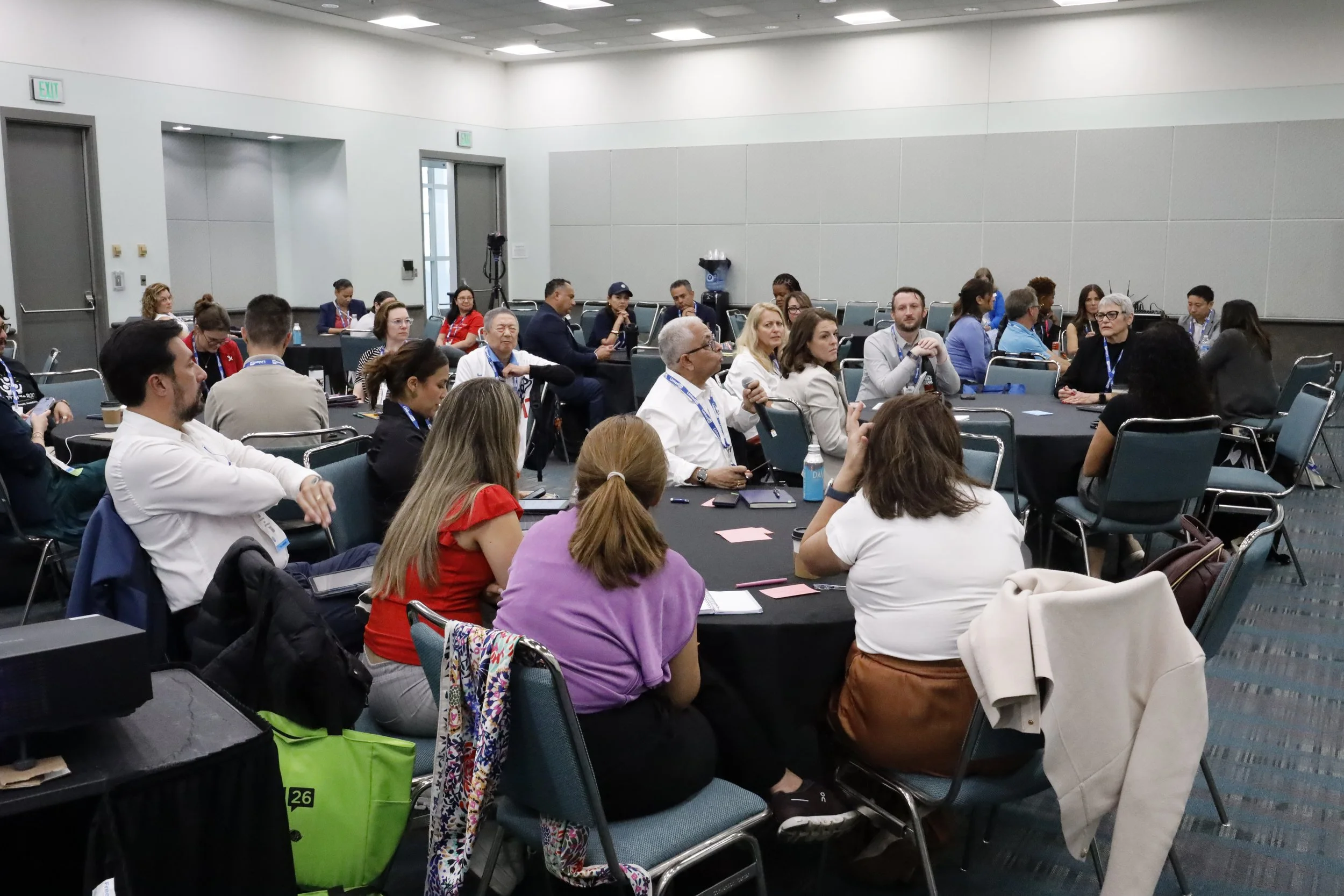
ATD26 Community Conversations: The TD Team Paradox
Attract: Are You Hiring for the Function You Need?
The first question we asked participants was:
“What are you not hiring for today… that will become critical tomorrow?”
The responses were revealing, as people named critical competencies such as emotional intelligence, adaptability, critical thinking, AI fluency, data literacy, ethical decision-making, active listening, business acumen, and a partnership mindset.
One response captured the tension clearly: “People with human vision to apply the AI.”
That sentence stayed with us because the future of TD hiring is about more than finding people who can use new tools. It is about finding people who can ask better questions, understand the business, interpret information, work across functions, and apply technology with judgment.
All of these have direct implications: some of the job descriptions we used three years ago may already be outdated.
We believe hiring conversations must shift, radically and urgently. The TD professionals of tomorrow will be defined by their ability to think critically, adapt continuously, lead with emotional intelligence, and create value by constantly generating partnerships within the business.
AI fluency, data literacy, and ethical decision-making are no longer emerging competencies — they are already a given. What will truly differentiate your next hire is the combination of human depth and strategic agility: someone who brings curiosity, accountability, and the capacity to grow alongside the function itself. In a landscape where the role of TD is being redefined in real time, attracting that kind of talent requires leaders who are equally willing to redefine what they are looking for, and bold enough to hire for the future they need, not the past they know.
Engage: If You Can’t Offer Stability, What Are You Offering?
The second question we asked was: “What is working to keep your people engaged through uncertainty?”
Five themes came through clearly: psychological safety, transparency, autonomy, well-being, and business relevance.
Participants talked about “emotional salary,” trust, candid conversations about the state of the business, emotional security, transparency, work-life balance, and the need to make TD professionals indispensable business partners.
Several responses stood out for us:
“Bring them with you on the journey, not work over them.”
“Space to bring ideas.”
“Make them indispensable business partners.”
We believe that together, those responses point to something important — when stability is limited, people still need purpose and clarity:
• They need to know what is happening, why it matters, and how they can contribute.
• They need leaders who are transparent and honest about uncertainty without transferring anxiety to the team.
• They need leaders who encourage human connection and relationships.
• They need to create environments and conditions where people feel trusted, informed, supported, and connected to meaningful work.
Engagement will flourish if leaders become aware that:
• People stay where they feel trusted.
• People stay where their contributions matter.
• People stay where they can grow.
• And they also stay where they can see how their work connects to something bigger than the next program, platform, or project.
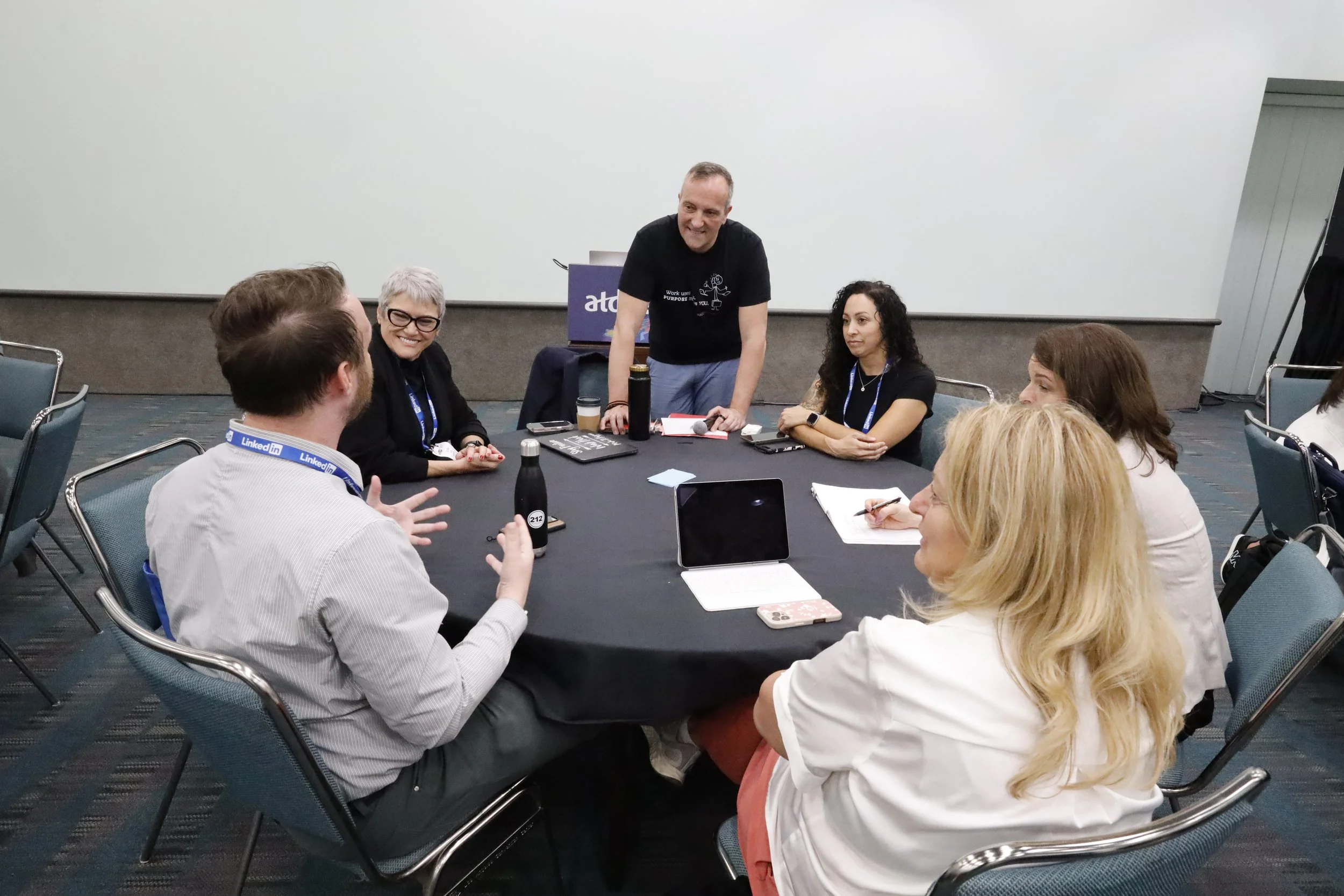
Develop: Reskilling for What?
For many TD leaders, the question is no longer whether teams need to reskill. The deeper question is: Reskill for what?
The World Economic Forum’s Future of Jobs Report 2025 estimates that 39% of key skills required in the job market will change by 2030*. That number matters, but the real implication for TD leaders is even more practical: skills are no longer static.
The work will keep changing. The tools will keep changing, and the business’s expectations will keep changing. So, we asked participants:
“What is the most human capability you are developing in your team this year?”
Their answers did not focus only on technology or AI fluency. They pointed to the human capabilities that help people stay relevant, trusted, and valuable as work continues to evolve.
Five capabilities stood out:
1. Critical Thinking and Discernment
Several participants named critical thinking, discernment, judgment, decision-making, and diagnostic skills. The value of a TD team will come from knowing which problem is worth solving, which data can be trusted, and which learning solution will actually create impact.
2. Empathy and Human Understanding
Participants also named empathy, emotional intelligence, communication, connection, and treating others as they would like to be treated. This matters because TD work is deeply human, and when teams listen closely, they understand what employees need to learn. They also understand what people fear, what motivates them, what gets in their way, and what helps them grow.
3. Resilience and Adaptability
Resilience, patience, problem-solving, curiosity, and adaptability also appeared in the conversation. In a time of uncertainty, TD teams need the capacity to keep learning as the work changes. They need to learn from mistakes, test new ideas, adjust quickly, and continue moving forward without needing all the answers in advance. This is the muscle of learning, unlearning, and evolving with intention.
4. Purpose and Direction
One response stood out: “Purpose in life.” That may seem broader than a traditional TD capability, but it belongs in this conversation. When people have a clear sense of purpose, they have a compass. They understand why their work matters, where they can contribute, and how their role connects to something larger than the next project, platform, or tool. In an era of AI disruption, purpose helps people stay grounded by providing direction for development. It connects the what and the how to a deeper why.
5. Collaboration and Trust-Building
Finally, participants named collaboration, collaborative work, accountability, ownership, and connection. Collaboration is more than coordination or cooperation. It requires trust, communication, shared responsibility, creativity, and the ability to work through conflict when perspectives differ.
Conclusion: The Work Starts with Our Own Teams
We heard that attracting talent is about hiring for the capabilities the function will need next.
We heard that engagement is about trust, transparency, well-being, purpose, and giving people space to contribute when the future feels uncertain.
And we heard that development is about building human capabilities that help TD teams stay relevant as work continues to evolve — skills and competencies such as critical thinking, empathy, resilience, purpose, and collaboration.
We believe TD teams need to become better thinkers, better partners, better listeners, and better decision-makers in an AI-shaped workplace.
That is the TD team paradox. We are responsible for helping the organization build the future, while also helping our own teams navigate it and stay relevant. So our invitation to TD leaders is simple:
• Choose one urgent conversation you need to have with your team.
• Choose one capability each team member needs to strengthen.
• Choose one way to give your people more trust, more clarity, more time, and more room to grow.
Because the future of talent development will not be shaped only by the tools we adopt. It will be shaped by the people we develop, the questions we are willing to ask, and the courage we bring to leading our own teams through change and uncertainty.
*Sources: State of the Global Workplace 2026, Gallup. World Economic Forum’s Future of Jobs Report 2025ABOUT THE AUTHORS
Ivett Casanova
Is a Leadership Development Strategist, Executive Coach, and Global Speaker with 20+ years of HR and talent development experience across 25+ countries. She helps organizations and leaders build high-performing, human-centered cultures in the AI era. Her Fortune 500 background spans talent strategy, organizational transformation, people enablement, and cultural intelligence. A PCC-certified coach by the ICF, she brings a rare combination of strategic rigor, cross-cultural depth, and coaching expertise to every engagement, making her a trusted partner for executives and TD leaders navigating complexity and change
Website: ivettcasanova.com
Iñigo Sánchez-Cabezudo
Is a Global Keynote speaker, Purpose and Executive Coach, and Leadership Development expert who helps individuals and organizations unlock clarity, direction, and meaning at work. His career bridges business growth and human development, with 15+ years in marketing, sales, and export promotion, followed by 15+ years in talent development, leadership, purpose, and organizational learning. With experience across multiple industries, continents, and 88 countries, he brings a global, cross-cultural perspective to the intersection of purpose, leadership, and organizational performance.